


What is the difference between a full and partial denture?
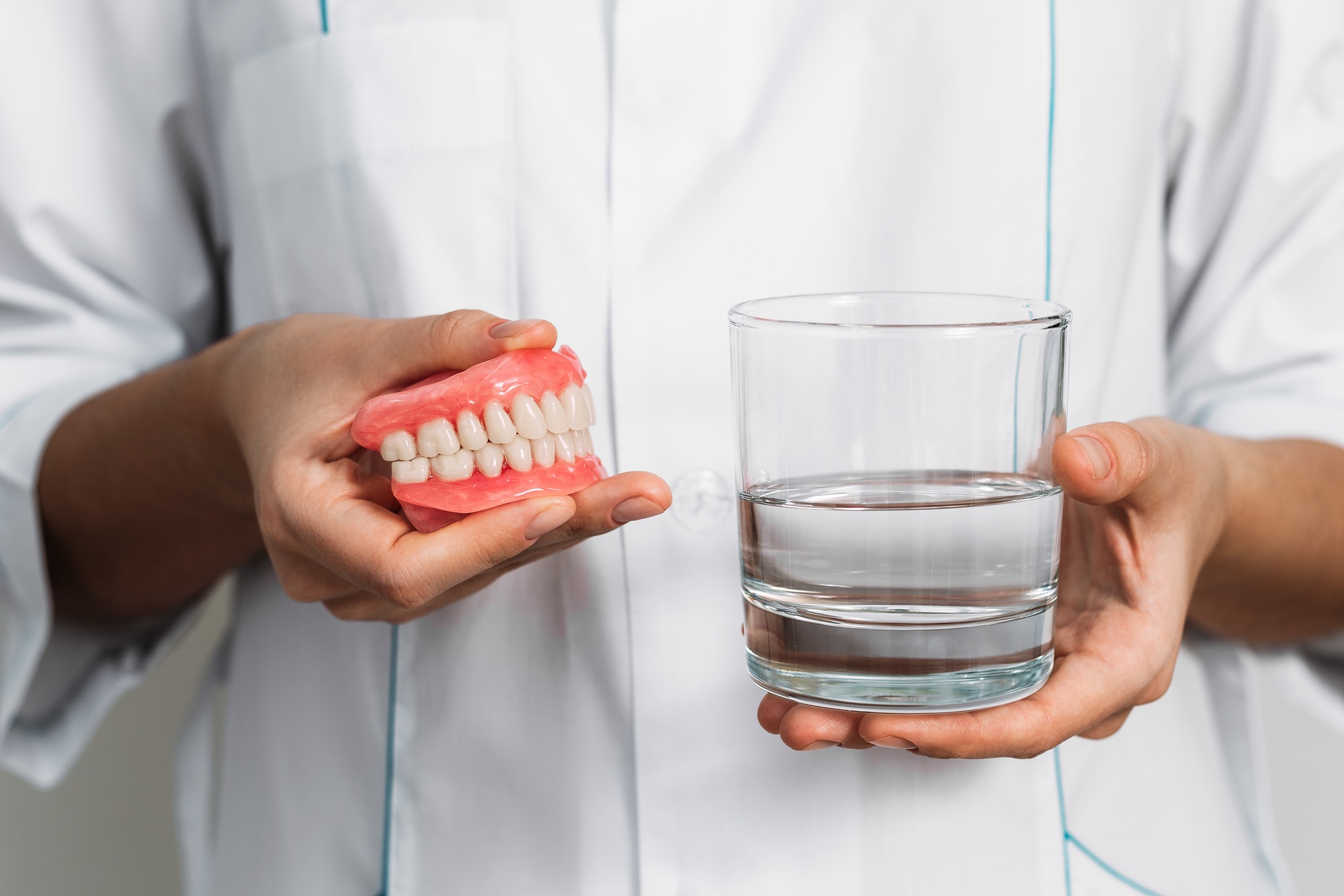
A complete denture replaces all teeth in an arch. A partial denture replaces selected missing teeth while using the remaining teeth and tissues for support, stability or retention.

Are dentures removable?
Conventional complete and partial dentures are removable by the patient. Implant-supported removable dentures are also removable but use implants to improve retention or stability.

Can I get teeth the same day teeth are removed?
Immediate dentures can be made in selected cases so a removable prosthesis is available at the time of extraction. Because the tissues change as they heal, adjustments and later relining or replacement may be needed.

What if I want something more stable?
Implants can sometimes be used to improve denture retention or support. Implant-supported removable dentures and fixed full-arch restorations are different treatment categories and should be compared separately.
REMOVABLE TOOTH REPLACEMENT
Dentures are designed around the teeth, bone and soft tissues that remain.
A denture is not simply a row of replacement teeth. The base, borders, bite, tooth position and relationship to the lips, cheeks and tongue all affect comfort and function. Partial dentures also have to work with the natural teeth that remain.
FULL OR PARTIAL?
The number and prognosis of the remaining teeth define the starting point.
When no restorable teeth remain in an arch, a complete denture may be considered. When useful natural teeth can be retained, a partial denture can replace the missing areas while working around those teeth. The decision should preserve predictable teeth rather than remove them merely to simplify the prosthesis.
COMPLETE DENTURE
Replacing a full arch
A full denture replaces all teeth in the upper or lower arch and is supported by the oral tissues and anatomy of that arch.
PARTIAL DENTURE
Replacing selected missing teeth
A partial denture fills several spaces while working with remaining teeth. The framework and clasp or attachment design depend on the case.
IMMEDIATE DENTURE
Teeth during extraction healing
An immediate denture can be prepared before extractions in selected cases, then inserted at the extraction visit. Fit changes as the tissues heal.
IMPLANT-ASSISTED
More retention when appropriate
Implants can sometimes be added to improve the stability or retention of a removable denture. That is different from a fixed full-arch restoration.
Good denture planning starts with what should be preserved and how the replacement will function. The goal is a prosthesis you can use, clean and maintain — not just one that fills the space.
FROM EXAM TO DELIVERY
How a removable denture is planned and fitted
The exact sequence differs for complete, partial and immediate dentures, especially when extractions or healing are part of treatment.
01
Evaluate teeth & tissues
We assess remaining teeth, gums, bone, bite, existing dentures and the areas that will support or retain the new prosthesis.
02
Decide what can be preserved
For partial dentures, the remaining teeth are evaluated for prognosis and whether they need treatment before they serve as part of the denture design.
03
Records & impressions
Scans or impressions and bite records are used to capture the anatomy and jaw relationship needed for the prosthesis.
04
Design & try-in
Tooth position, appearance, bite and framework or base design are evaluated. A wax or digital try-in may be used depending on the prosthesis and workflow.
05
Deliver & adjust
The denture is inserted and checked for pressure areas, retention, bite and function. New dentures commonly require adjustment visits as the mouth adapts.
06
Maintain & re-evaluate
The fit can change as bone and soft tissues change. Periodic exams help determine when adjustment, reline, repair or replacement should be considered.
WHICH REMOVABLE PATH FITS?
Preserve predictable teeth and match the prosthesis to the pattern of tooth loss
The design depends on the number, position and condition of remaining teeth, the supporting tissues and your priorities for stability, maintenance and cost.
FULL DENTURE
No restorable teeth remain in an arch
A complete denture may be considered when an arch is fully edentulous or the remaining teeth do not have a predictable prognosis.
PARTIAL DENTURE
Useful natural teeth can stay
A partial denture can replace several spaces while preserving teeth that remain healthy and useful for the overall plan.
IMMEDIATE DENTURE
Extractions are planned
An immediate prosthesis may help avoid going without visible teeth during early healing, but it commonly needs adjustment as tissues change.
IMPLANT-SUPPORTED
Conventional retention is not enough
Implants can sometimes improve the retention or stability of a removable denture when anatomy and health permit.
TRANSITIONAL
A temporary removable solution is useful
A removable prosthesis can sometimes serve as a transitional option while tissues heal or while a longer restorative plan is being completed.
MAINTENANCE
You can return for fit checks
Dentures need ongoing evaluation because the mouth changes over time even when the prosthesis itself has not changed.
COMPARE THE MAIN PROSTHETIC CATEGORIES
Conventional dentures, implant-supported dentures and fixed full-arch teeth are not the same treatment
They differ in how they are supported, whether the patient removes them, surgical requirements, maintenance, cost and the way they feel in daily use.
REMOVABLE
Conventional full denture
A complete removable prosthesis supported by oral tissues. It does not require implants, but retention and stability depend on anatomy, fit and function.
REMOVABLE
Partial denture
A removable prosthesis that replaces selected teeth and works with the natural teeth that remain.
IMPLANT-ASSISTED
Implant-supported removable denture
A patient-removable denture that connects to implants for additional retention or support. It still requires removal and specific maintenance.
FIXED
Full-arch implant restoration
A prosthesis attached to implants and removed only by the dental team when needed. It is a different surgical and restorative category from a removable denture.
LIVING WITH DENTURES
Adjustment, cleaning and fit checks are part of successful denture care
New dentures introduce different surfaces and pressures to the mouth. Speech and chewing often require practice, and the tissues need time to adapt.
CLEAN
Clean the prosthesis every day
Remove and clean dentures with the method and products recommended for the material. Avoid abrasive cleaners or very hot water that can damage the prosthesis.
TISSUES
Clean the mouth too
Brush or clean the gums, tongue and any remaining natural teeth. Partial-denture wearers need especially careful plaque control around teeth that contact the prosthesis.
REST
Follow instructions for overnight wear
Many removable dentures are taken out during sleep to rest the tissues, but follow the specific instructions given for your prosthesis and healing situation.
FIT
Do not ignore a loose or sore denture
Persistent sore spots, looseness, rocking, cracks or bite changes should be evaluated. Adhesive is not a substitute for correcting a denture that no longer fits appropriately.
COST, INSURANCE & FINANCING
Denture fees depend on the type of prosthesis and the treatment needed before it is made
The cost varies between complete, partial, immediate and implant-supported dentures. Extractions, treatment of remaining teeth, laboratory design, attachments, relines and implant procedures can change the total plan.
We accept your insurance and will help you maximize your available benefits. Coverage varies by plan and procedure. Our team can review estimated benefits, patient responsibility and financing options before treatment begins.
CARE CLOSE TO HOME
Start your full & partial dentures consultation at the office that works for you
Choose Cumming, Lawrenceville or Dawsonville. We can evaluate the remaining teeth and supporting tissues, explain full and partial denture options, and compare implant-assisted alternatives when appropriate.
Cumming
907 Buford Rd, Suite 100
Cumming, GA 30041
678-922-8282
Denture consultations available
Lawrenceville
845 Scenic Hwy S, Suite 300
Lawrenceville, GA 30046
770-277-5588
Denture consultations available
Dawsonville
78 Dawson Village Way N, Suite 170
Dawsonville, GA 30534
706-525-7127
Denture consultations available
FREQUENTLY ASKED QUESTIONS
Full and partial denture questions, answered clearly
What is the difference between a full denture and a partial denture?
A full denture replaces all teeth in an arch. A partial denture replaces selected missing teeth while working around natural teeth that remain.
Are dentures always removable?
Conventional complete and partial dentures are removable by the patient. Implant-supported removable dentures are also patient-removable. Fixed full-arch implant restorations are a separate category.
What is an immediate denture?
An immediate denture is made before planned extractions so it can be inserted at or near the extraction visit. Because the gums and bone change during healing, adjustments and a later reline or replacement may be needed.
How long does it take to get used to new dentures?
Adaptation varies. Speaking, chewing and tissue comfort can change over the first days and weeks. Adjustment appointments are common and are part of the process, especially when the tissues are healing.
Can I eat normally with dentures?
Dentures can restore useful chewing function, but they do not reproduce natural-tooth mechanics exactly. Most patients benefit from starting with manageable foods, chewing evenly and gradually expanding the diet as control improves.
Do dentures need adhesive?
Some patients use denture adhesive for additional confidence or retention, but a persistent need for large amounts of adhesive can be a sign that the fit should be evaluated.
How should I clean my dentures?
Remove and rinse the prosthesis, brush it with a denture-appropriate brush and cleaner, and clean the oral tissues and remaining teeth. Follow the instructions provided for soaking and overnight storage.
Why does a denture become loose over time?
The jawbone and soft tissues continue to change after teeth are lost. Those changes can alter the fit even when the denture itself is intact. Relining, rebasing or replacement may eventually be needed.
What is an implant-supported denture?
It is a removable denture that connects to implants for additional retention or support. It is different from a fixed full-arch prosthesis that the patient does not remove.
Can I keep healthy teeth and still wear a partial denture?
Yes. Preserving useful natural teeth is often an important goal. The remaining teeth are evaluated for health and prognosis before they become part of the partial-denture design.
Does insurance help with dentures?
Benefits vary by plan. We accept your insurance and will help you maximize your available benefits, and our team can review estimated coverage before treatment.
How often should dentures be checked?
Regular dental examinations remain important even when no natural teeth remain. The dentist can evaluate the fit, tissues, bite and condition of the prosthesis and screen the mouth for other concerns.
RELATED TOOTH REPLACEMENT CARE
Removable dentures sit alongside implant-assisted and fixed full-arch options
Trying to decide between a full denture, partial denture or implant-assisted option?
Start with the teeth and tissues you have now. We will identify what can be predictably preserved and explain the removable and implant-supported choices that fit the situation.
The goal is not to force every patient into the same prosthesis. It is to choose a design that makes sense for function, maintenance, comfort, timing and your priorities.
Cumming • Lawrenceville • Dawsonville
Full dentures • Partial dentures • Immediate options • Implant-assisted alternatives