



What is Vivos?
Vivos is a family of removable oral appliances used in dental sleep and airway care. Unlike a simple snore guard, the appliance is selected and adjusted as part of a treatment plan based on the patient’s sleep diagnosis, jaw and arch form, bite and airway findings.
How are the Vivos appliances different?
DNA is a daytime-nighttime appliance that does not depend on pushing the lower jaw forward as its primary mechanism. mRNA and mmRNA are nighttime CARE appliances that incorporate mandibular repositioning. Vivos Guides are pediatric appliances used for selected growth and development goals.
Who may be a candidate?
Adults with diagnosed obstructive sleep apnea may be considered for a Vivos CARE appliance when oral-appliance therapy fits their medical and dental situation. Children require a separate pediatric evaluation because growth, dentition and the cause of the breathing problem all affect treatment.

Is Vivos the same as a conventional MAD?
No. A conventional mandibular advancement device works primarily by holding the lower jaw forward while it is worn. The Vivos CARE family includes different designs: DNA does not rely on mandibular advancement as its primary mechanism, while mRNA and mmRNA add mandibular repositioning to the Vivos treatment approach.
WHY THERE IS MORE THAN ONE VIVOS APPLIANCE
The appliance should match the problem being treated.
The Vivos CARE family includes DNA, mRNA and mmRNA. All three are oral-appliance options used in adult obstructive sleep apnea care, but their design and wear protocols are different. Vivos also offers Guide and Way appliances for selected pediatric growth and development needs, as well as the PEx pediatric expander.
That distinction matters. An adult with diagnosed sleep apnea, a child with developing jaws, and a patient who needs mandibular repositioning do not automatically need the same device. Our job is to determine what the patient is actually dealing with first, then decide whether Vivos—or another treatment—is appropriate.
THE VIVOS APPLIANCE FAMILY
What DNA, mRNA, mmRNA, Vivos Guide, Vivos Way and Vivos PExs are designed to do

Vivos CARE
CARE stands for Complete Airway Repositioning and/or Expansion. It is the treatment family that includes DNA, mRNA and mmRNA—not a separate appliance.
For adults with obstructive sleep apnea, the CARE appliances are FDA-cleared for mild-to-severe OSA. The choice among them depends on anatomy, bite, sleep findings, treatment goals and which wear pattern is realistic for the patient.

DNA Appliance
DNA stands for Daytime-Nighttime Appliance. It is a custom removable device used for gradual dental-arch and jaw-related changes and does not depend on mandibular advancement as its primary mechanism.
Typical manufacturer protocols call for evening plus nighttime wear—often about 12–16 hours per day. In addition to its adult OSA indication, the DNA appliance has an FDA-cleared pediatric indication for moderate-to-severe OSA in patients ages 6–17.

mRNA Appliance
mRNA stands for mandibular Repositioning Nighttime Appliance. It combines the Vivos CARE approach with a component that positions the lower jaw forward during sleep.
It is generally worn only while sleeping—typically about 8–10 hours—and may be considered when mandibular repositioning is useful as part of the adult OSA treatment plan.

mmRNA Appliance
mmRNA is the modified mandibular Repositioning Nighttime Appliance. Like mRNA, it is a nighttime CARE appliance that incorporates mandibular repositioning, but it uses a different appliance configuration.
The choice between mRNA and mmRNA is not simply preference. We consider the patient’s bite, anatomy, dental condition, sleep diagnosis and treatment goals before selecting the design.
Vivos Guides
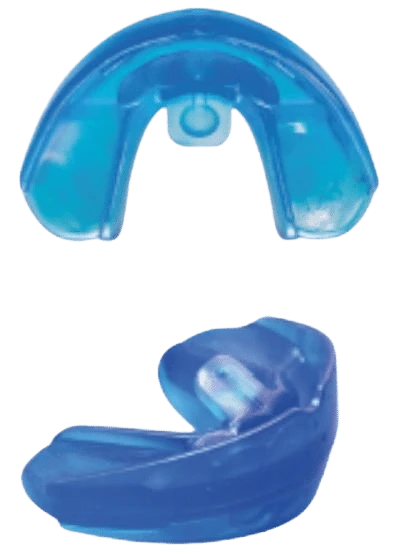
Vivos Guides are flexible pediatric appliances used for selected tooth-positioning, jaw-growth and oral-development goals in growing children. They are not simply a child-sized adult sleep-apnea appliance.
When a child has snoring, mouth breathing, restless sleep or other airway concerns, we evaluate the cause and coordinate pediatric medical or ENT care when needed before deciding where a Guide, DNA appliance, orthodontic treatment or another therapy belongs.
How we choose the appliance
We consider the sleep diagnosis and severity, age and growth, jaw and arch form, bite, nasal breathing, tongue space, periodontal health, existing dental work, TMJ symptoms and the wear schedule the patient can realistically follow.
The best appliance is the one that fits both the clinical problem and the patient—not simply the newest or most recognizable product name.
Vivos Way
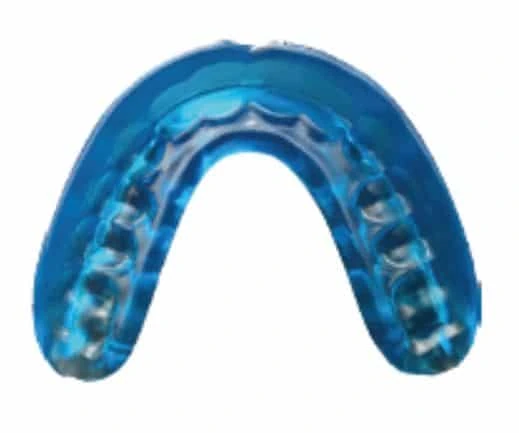
Vivos Way is part of the Vivos pediatric Guide family. It is a removable appliance used in selected children to guide tooth positioning and developing dental arches as part of a growth-focused care plan.
We look at the child’s dentition, bite, arch form, growth stage and ability to follow the wear routine before considering Way. Its role is different from the adult DNA, mRNA and mmRNA sleep-apnea appliances.
Vivos PEx
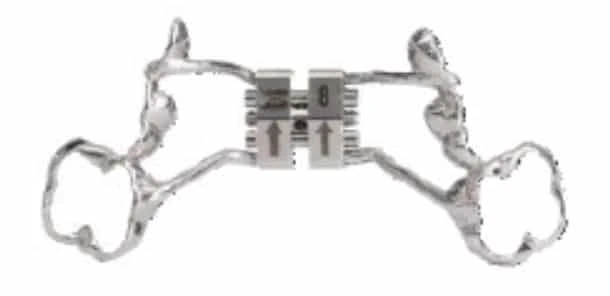
Vivos PEx is a digitally designed pediatric expander for selected children who need dental-arch expansion. Unlike a removable Guide or Way appliance, PEx provides a more fixed-appliance approach when consistent removable-appliance wear may be difficult.
Expansion is planned from the child’s bite, arch width, dental development and growth stage. We explain the fitting, activation and monitoring schedule before treatment begins.
Choosing among pediatric options
Guide and Way are removable, growth-focused appliances; PEx is an expansion option with a different wear and adjustment approach. They are not interchangeable simply because a child snores or has crowding.
We assess bite, arch width, jaw growth, nasal-breathing concerns, oral habits and overall dental health. When sleep-disordered breathing is suspected, pediatric medical or ENT evaluation may also be part of the plan.
Vivos can be part of sleep-apnea treatment—but it does not replace the diagnosis.
If obstructive sleep apnea is suspected, the condition should be diagnosed through an appropriate medical sleep evaluation. If an appliance is used to treat diagnosed OSA, symptoms alone are not enough to prove that treatment is working; follow-up with the medical sleep team and repeat objective testing may be appropriate.
WHAT HAPPENS BEFORE WE ORDER AN APPLIANCE
A Vivos evaluation is more than taking an impression.
We review the sleep history and any existing sleep study, then evaluate the teeth and gums, bite, arch form, jaw relationships, tongue space, nasal-breathing concerns, TMJ symptoms and—when the patient is a child—growth and dental development. Digital scans and other records are used to plan the appliance.
If the findings suggest untreated sleep apnea, significant nasal or tonsil/adenoid obstruction, or another issue outside the dental scope, we coordinate the appropriate sleep physician, pediatrician, ENT or other specialist before or alongside appliance therapy.
Related therapies may improve the overall plan
- Myofunctional therapy: may be useful when tongue posture, oral muscle function, nasal-breathing habits or post-frenectomy rehabilitation need attention.
- ENT or medical sleep care: may be needed for nasal obstruction, enlarged tonsils/adenoids, significant OSA or other medical contributors.
- Orthodontic care: may be part of the sequence when tooth position, arch development or occlusion also needs correction.
- CPAP: remains an appropriate and highly effective option for many patients; it should not be stopped without guidance from the treating medical provider.
THE VIVOS TREATMENT PATHWAY
Diagnosis first. Appliance second. Monitoring throughout.
01 — Evaluate the airway & bite
Review symptoms, dental findings, jaw relationships, nasal breathing, tongue space and any existing sleep records.
02 — Confirm the sleep diagnosis
If OSA is suspected or already diagnosed, coordinate the appropriate sleep study and medical interpretation so treatment is based on objective findings.
03 — Select & fabricate the appliance
Use digital records to choose DNA, mRNA, mmRNA, Guide, Way, PEx or another pathway, then fabricate or order the appliance for the individual patient.
04 — Adjust, monitor & retest
Follow fit, comfort, bite, oral health and symptoms over time. For OSA treatment, coordinate objective sleep reassessment when indicated rather than relying on snoring or daytime energy alone.
WHAT DAILY TREATMENT IS ACTUALLY LIKE
Wear time, adjustments and follow-up depend on the appliance.
Expect regular adjustments
Vivos therapy is monitored over time. Visits are used to check appliance fit, dental and periodontal health, bite changes, comfort and progress.
Wear time is device-specific
Typical Vivos protocols are about 12–16 hours per day for DNA and 8–10 hours during sleep for mRNA and mmRNA. Your prescribed schedule may differ based on the treatment plan.
OSA needs objective follow-up
Less snoring or better energy is encouraging, but it does not tell us the apnea-hypopnea index. When treating diagnosed OSA, repeat sleep testing may be recommended to measure the response.
There may be a retention phase
Once active appliance therapy is complete, the next step may include retention, orthodontic treatment, myofunctional therapy or periodic monitoring. The plan depends on what changed and what still needs support.
INSURANCE & FINANCIAL PLANNING
Coverage depends on the diagnosis, appliance and plan.
We accept your insurance and will help you maximize your benefits. Medical or dental benefits, prior authorization requirements and coverage rules can differ by device and diagnosis. Our team can review expected fees and available benefits before treatment begins.
Treatment recommendations are based on clinical need, not on whether a particular appliance is covered.
CARE CLOSE TO HOME
Choose the Bright Smiles location that works best for you.
Specific provider, technology and appointment availability can be confirmed when you schedule.
Lawrenceville
845 Scenic Hwy S, Suite 300, Lawrenceville, GA 30046
Dawsonville
78 Dawson Village Way N, Suite 170, Dawsonville, GA 30534
START WITH AN EVALUATION
Find out whether Vivos actually fits your situation.
Bring any prior sleep-study results, CPAP history and relevant medical or ENT records if you have them. We will evaluate the dental and airway findings and discuss whether DNA, mRNA, mmRNA, Guide, Way, PEx, a conventional MAD or another treatment pathway makes the most sense.
Appliance recommendations are made after evaluation and, when OSA is involved, in coordination with the appropriate medical sleep diagnosis.
FREQUENTLY ASKED QUESTIONS
Practical questions about Vivos treatment
These answers explain the differences patients usually want to understand before deciding whether to pursue an evaluation.
What does CARE mean?
CARE stands for Complete Airway Repositioning and/or Expansion. It is the Vivos treatment family that includes the DNA, mRNA and mmRNA appliances. CARE is not a separate physical appliance.
Which Vivos appliances does Bright Smiles provide?
Bright Smiles provides DNA, mRNA, mmRNA, Vivos Guide, Vivos Way and Vivos PEx appliances. We also provide other oral-appliance options, including conventional mandibular advancement devices, when they are a better fit for the patient.
Are DNA, mRNA and mmRNA the same appliance?
No. DNA is a daytime-nighttime appliance that does not depend on mandibular advancement as its primary mechanism. mRNA and mmRNA are nighttime CARE appliances that incorporate mandibular repositioning. Their design and typical wear schedules differ.
Is Vivos a replacement for CPAP?
For some appropriately selected adults with diagnosed OSA, oral-appliance therapy may be an alternative when it fits the medical treatment plan. CPAP remains highly effective and may still be the best option for many patients. Do not discontinue prescribed CPAP without discussing it with the treating medical provider.
Can a dentist diagnose obstructive sleep apnea?
A dentist can screen for sleep-apnea risk and identify dental or airway findings that raise concern, but obstructive sleep apnea is a medical diagnosis. We coordinate appropriate sleep testing and medical interpretation when needed.
How long is Vivos treatment?
Treatment length varies. Vivos currently describes an average adult treatment course of roughly 9–12 months, while pediatric treatment can be longer because growth and development affect the timeline. Your plan may be shorter or longer depending on the appliance, diagnosis and response.
How many hours a day is the appliance worn?
Typical manufacturer protocols are about 12–16 hours per day for DNA and 8–10 hours during sleep for mRNA and mmRNA. Vivos Guides and pediatric protocols are individualized. We give you a specific schedule for the appliance you are actually using.
Can children use Vivos appliances?
Yes, but pediatric treatment is a separate pathway. The DNA appliance has an FDA-cleared indication for moderate-to-severe OSA in ages 6–17, while Vivos Guide and Way appliances support selected pediatric tooth-positioning and jaw-development goals, while PEx is a pediatric expansion option. Children with sleep or breathing symptoms may also need pediatric medical or ENT evaluation.
Where does myofunctional therapy fit?
Myofunctional therapy is not an oral appliance. It may be added when tongue posture, lip seal, oral muscle function, nasal-breathing habits or post-frenectomy rehabilitation are part of the problem. It supports the treatment plan rather than replacing diagnosis or appliance therapy.
Does insurance cover Vivos treatment?
Coverage varies by diagnosis, appliance and plan. OSA treatment may involve medical benefits, while pediatric or orthodontic components may be handled differently. We accept your insurance and will help you maximize your benefits. We can review expected fees and benefit information before treatment begins.
BRIGHT SMILES DENTISTRY & ORTHODONTICS
Know what you are treating before choosing the appliance.
Vivos gives us several useful options, but the device is only one part of the plan. Start with the sleep, airway, dental and growth findings, then choose the treatment that actually fits. Serving Cumming, Lawrenceville and Dawsonville, Georgia.