





Is numbness after dental work always a nerve injury?
No. Local anesthetic, swelling, inflammation and temporary nerve irritation can all affect sensation. The timeline and pattern matter.

What is photobiomodulation?
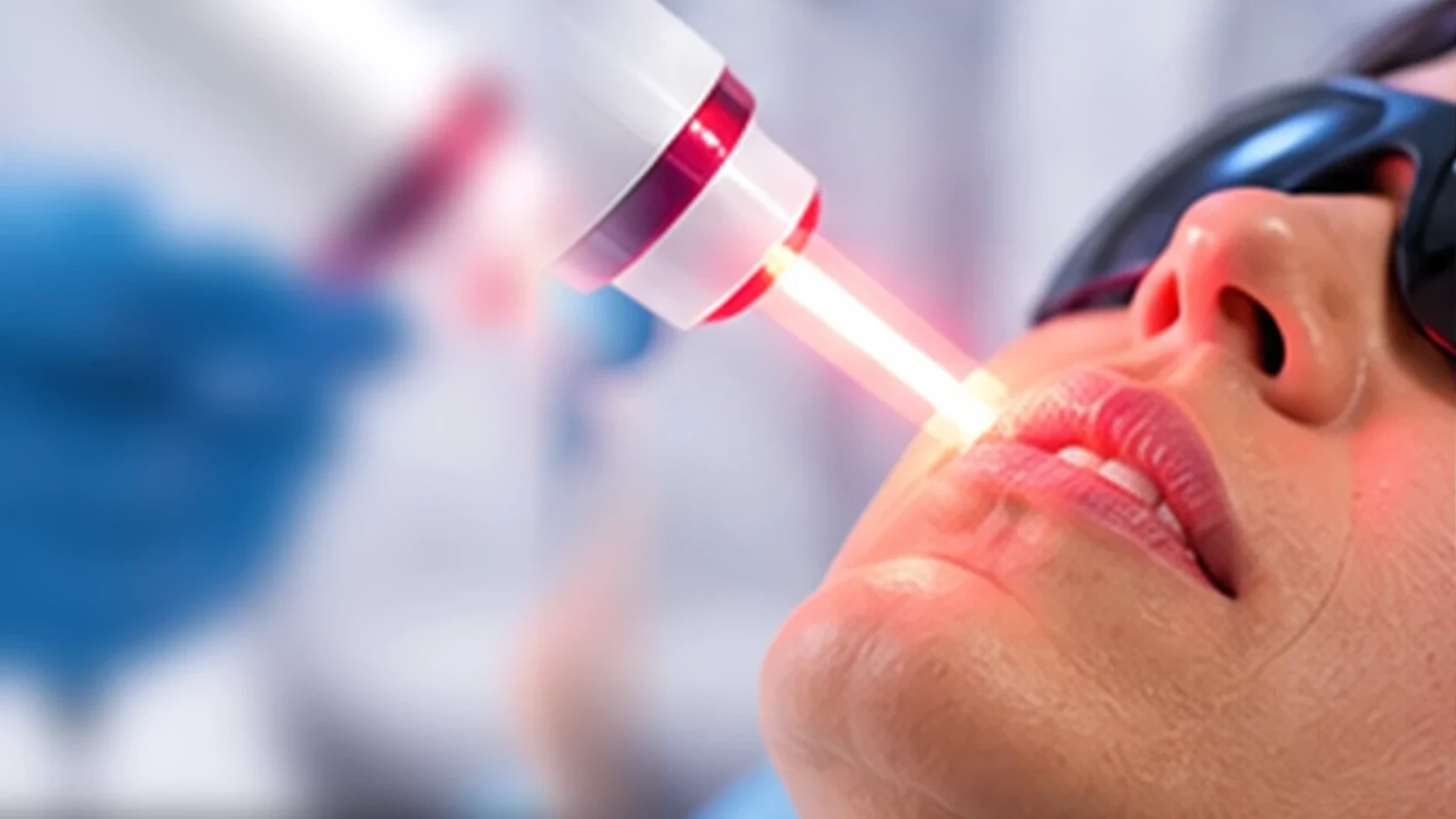
PBM uses low-level laser or light energy intended to influence cellular and inflammatory processes without cutting or heating tissue in the way a surgical laser does.

Will PBM restore feeling?
It may be used as supportive care in selected cases, but recovery depends on the cause and severity of the sensory change. No treatment can guarantee restoration of normal sensation.

When should numbness be evaluated?
Numbness that lasts beyond the expected anesthetic period, is worsening, is accompanied by weakness or significant pain, or follows a procedure with nerve-injury risk should be assessed.
FIRST DEFINE THE SENSORY CHANGE
“Numb” can mean different things clinically.
Patients may describe complete loss of feeling, tingling, pins-and-needles, burning, altered temperature, hypersensitivity or a “thick” sensation. Those patterns can reflect different levels of nerve involvement and can change over time.
We document what area is affected, when symptoms started, the procedure or event that preceded them and whether sensation is stable, improving or worsening before deciding whether PBM belongs in the plan.
WHEN PBM MAY BE DISCUSSED
Examples of situations where supportive light therapy may be considered
Persistent altered sensation after anesthesia
When sensation lasts beyond the expected local-anesthetic window, evaluation is needed before assuming the cause.
Post-surgical nerve irritation
Selected cases after oral surgery or implant-related procedures may be monitored and treated supportively.
Inflammation-related sensory change
Swelling or tissue inflammation can alter sensation and may improve as the underlying condition resolves.
Tingling or paresthesia
Partial sensory changes may be followed with serial examinations and, in selected cases, adjunctive PBM.
Recovery monitoring
Repeated sensory mapping helps determine whether the affected area is shrinking, changing or remaining stable.
Cases requiring referral
PBM can be supportive while appropriate oral-surgery, neurology or other specialist evaluation is arranged when indicated.
Supportive therapy is not a substitute for diagnosis.
When altered sensation may reflect a significant nerve injury, the priority is documenting the deficit, identifying the likely cause and deciding whether specialist evaluation is time-sensitive.
HOW WE DOCUMENT NUMBNESS
What is assessed before and during treatment
The evaluation may include mapping the affected area, comparing light touch or other sensory responses side to side, reviewing the procedure and timing, checking for swelling or infection, and reviewing imaging when relevant. Progress is documented over time rather than judged from one visit alone.
Symptoms that deserve prompt reassessment or referral
- Complete or worsening loss of sensation
- New weakness or motor changes
- Severe burning, electric-shock or escalating neuropathic pain
- Signs of infection or rapidly increasing swelling
- No improvement when the injury pattern suggests specialist review may be time-sensitive
WHAT PBM TREATMENT LOOKS LIKE
A supportive, serial-care approach
01 — Establish baseline
Document the location, quality and extent of altered sensation and review the likely cause.
02 — Decide whether PBM is appropriate
Confirm that light therapy is reasonable as an adjunct and that no urgent referral or other treatment takes priority.
03 — Deliver PBM sessions
Low-level light is applied to selected tissues using parameters chosen for the treatment goal.
04 — Track recovery
Sensory changes are mapped over time and the plan is adjusted, continued or referred based on progress.
BETWEEN VISITS
Protect numb tissue and watch for change
Avoid accidental biting or burns
Reduced sensation makes it easier to injure the lip, cheek or tongue without noticing.
Note changes in the affected area
A smaller numb area, return of tingling or other changes can be useful information to document.
Do not self-test aggressively
Repeated pinching, poking or temperature testing can injure tissue and does not replace a structured sensory exam.
Keep scheduled follow-up
Nerve symptoms are best interpreted as a trend over time rather than from isolated day-to-day fluctuations.
INSURANCE & FINANCIAL PLANNING
Know the plan before treatment begins.
We accept your insurance and will help you maximize your benefits. Coverage varies by plan, diagnosis and procedure. Our team can review expected fees, available benefits and payment or financing options before treatment begins.
Treatment recommendations are based on clinical need, not on whether a particular service is covered.
CARE CLOSE TO HOME
Choose the Bright Smiles location that works best for you.
Specific provider, technology and appointment availability can be confirmed when you schedule.
Lawrenceville
845 Scenic Hwy S, Suite 300, Lawrenceville, GA 30046
Dawsonville
78 Dawson Village Way N, Suite 170, Dawsonville, GA 30534
START WITH AN EVALUATION
Talk with Bright Smiles about photobiomodulation (pbm) for numbness.
Use the location links to schedule directly. The appropriate treatment is confirmed only after clinical evaluation.
Submitting an online booking request starts the scheduling process; treatment recommendations are made after evaluation.
FREQUENTLY ASKED QUESTIONS
Photobiomodulation (PBM) for Numbness questions patients ask
The right treatment depends on the individual diagnosis and clinical findings.
What does photobiomodulation mean?
It refers to the use of low-level light energy to influence biological processes without using the light to cut or ablate tissue.
Is PBM the same as a surgical laser?
No. PBM uses non-ablative light parameters. Surgical lasers are used to cut, vaporize or coagulate tissue.
Can PBM regrow a damaged nerve?
PBM is used as supportive therapy in some nerve-related cases, but it should not be described as guaranteeing nerve regeneration or full sensory recovery.
How soon should PBM start?
Timing depends on the cause and severity of the sensory change. Evaluation should not be delayed when significant nerve injury is possible.
How many sessions are needed?
There is no single schedule. Treatment frequency and duration depend on the clinical situation and response.
What if numbness is from local anesthetic?
Normal anesthetic numbness should resolve as the medication wears off. Persistent symptoms beyond the expected period should be assessed.
Can swelling cause numbness?
Yes. Pressure and inflammation can temporarily alter sensation, but persistent or progressive numbness still needs evaluation.
Will tingling mean the nerve is healing?
Tingling can occur during sensory change or recovery, but it is not a reliable guarantee of outcome by itself.
Can I wait several months before evaluation?
Significant or persistent sensory deficits should be assessed sooner rather than later because some referral decisions may be time-sensitive.
Does insurance cover PBM?
Coverage varies by plan and diagnosis. We accept your insurance and will help you maximize your benefits while explaining expected costs.
BRIGHT SMILES DENTISTRY & ORTHODONTICS
If numbness or altered sensation is lasting longer than expected, have the cause evaluated early. PBM may be one supportive tool, but it should sit inside a clear diagnostic and follow-up plan.
Serving Cumming, Lawrenceville and Dawsonville, Georgia.