


Does NightLase cure sleep apnea?
No. NightLase should not be described as a stand-alone cure for obstructive sleep apnea. Sleep apnea requires appropriate medical diagnosis and follow-up.
What does NightLase do?
NightLase uses controlled laser energy on selected oral and throat soft tissues as a non-surgical approach intended to reduce tissue vibration and improve snoring in appropriate patients.

Do I need a sleep study first?
Not everyone who snores needs a sleep study, but symptoms or risk factors for sleep apnea may make medical testing important before treatment decisions are made.

Is treatment one visit?
NightLase is generally delivered as a series rather than a one-time procedure. The number and timing of sessions depend on the clinical plan.
SNORING IS A SYMPTOM
The important first question is why you are snoring.
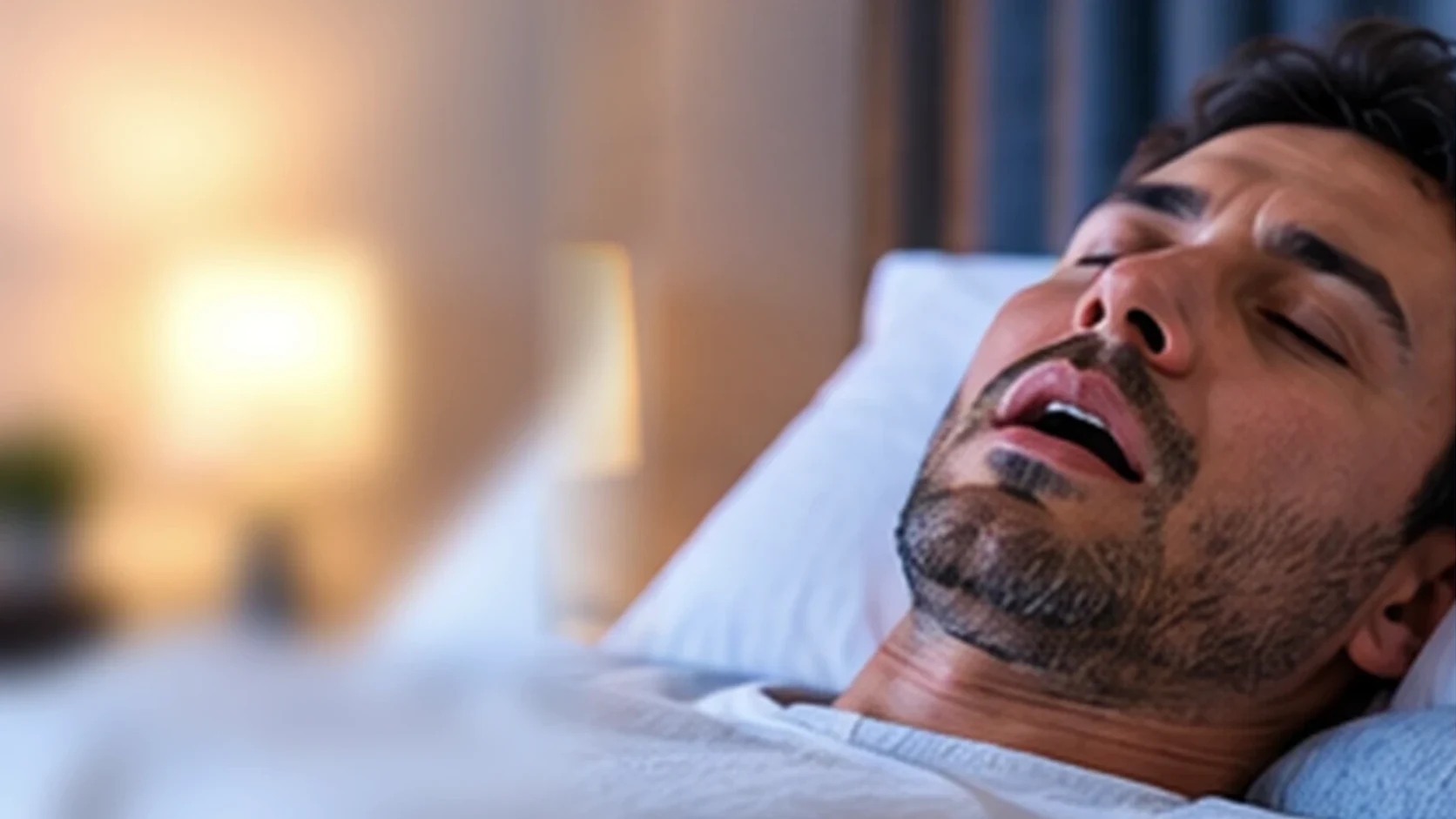
Snoring occurs when airflow causes relaxed tissues in the upper airway to vibrate during sleep. The sound itself does not tell us whether the airway problem is minor or whether breathing is repeatedly being reduced or interrupted.
That is why we screen for symptoms such as witnessed pauses in breathing, gasping, excessive daytime sleepiness, morning headaches, resistant hypertension and prior sleep-study results before treating snoring as an isolated problem.
WHEN NIGHTLASE MAY BE CONSIDERED
A non-surgical option for selected snoring patterns
Primary snoring
For some patients whose evaluation does not indicate untreated obstructive sleep apnea, soft-tissue laser therapy may be considered to reduce snoring.
Palatal soft-tissue vibration
NightLase is directed toward selected oral and oropharyngeal tissues that can contribute to vibration during sleep.
Patients seeking a non-appliance option
Some patients want to discuss an option that does not involve wearing an oral appliance every night.
Adjunctive care
In selected situations, laser therapy may be discussed as one part of a broader sleep-breathing plan rather than as the only intervention.
Patients already medically evaluated
Prior sleep-study and physician information can help clarify whether snoring is primary or part of diagnosed sleep apnea.
Patients able to return for reassessment
Response is monitored over time because snoring can recur and airway conditions can change.
Do not treat loud snoring as proof that the problem is harmless.
When the history suggests obstructive sleep apnea, the priority is appropriate medical diagnosis and evidence-based treatment. NightLase may be a snoring treatment option, but it does not replace that process.
SCREEN BEFORE TREATMENT
How we decide whether laser snoring treatment makes sense
We review the snoring history, sleep-related symptoms, medical risk factors, oral anatomy, nasal or throat concerns that may need medical evaluation, prior sleep testing and whether an oral appliance or other treatment has already been recommended.
Reasons to coordinate medical evaluation
- Witnessed pauses in breathing, choking or gasping during sleep
- Excessive daytime sleepiness or falling asleep unintentionally
- Known or suspected obstructive sleep apnea
- Significant cardiovascular risk factors or resistant hypertension
- Persistent symptoms despite prior snoring treatment
WHAT TREATMENT INVOLVES
A typical NightLase pathway
01 — Airway screening
Review symptoms, prior sleep testing and oral findings to determine whether medical evaluation should occur first.
02 — Treatment planning
Identify the tissues to be treated and discuss realistic goals, alternatives and the planned number of sessions.
03 — Laser sessions
Controlled laser energy is delivered to selected soft tissues according to the NightLase protocol used for the case.
04 — Reassessment
Snoring response, sleep symptoms and the need for additional dental or medical follow-up are reviewed after treatment.
AFTER A SESSION
What patients may notice
Temporary dryness or warmth
Short-lived throat or oral dryness, warmth or mild irritation can occur after treatment.
Hydration matters
Follow the care instructions provided by the treating team, including hydration and any temporary diet recommendations.
Track more than sound
A quieter night is useful, but changes in daytime sleepiness, gasping or witnessed breathing pauses should also be reported.
Plan for follow-up
Snoring can return over time. Periodic reassessment may be appropriate, especially if weight, health or sleep symptoms change.
INSURANCE & FINANCIAL PLANNING
Know the plan before treatment begins.
We accept your insurance and will help you maximize your benefits. Coverage varies by plan, diagnosis and procedure. Our team can review expected fees, available benefits and payment or financing options before treatment begins.
Treatment recommendations are based on clinical need, not on whether a particular service is covered.
CARE CLOSE TO HOME
Choose the Bright Smiles location that works best for you.
Specific provider, technology and appointment availability can be confirmed when you schedule.
Lawrenceville
845 Scenic Hwy S, Suite 300, Lawrenceville, GA 30046
Dawsonville
78 Dawson Village Way N, Suite 170, Dawsonville, GA 30534
START WITH AN EVALUATION
Talk with Bright Smiles about snoring treatment / nightlase®.
Use the location links to schedule directly. The appropriate treatment is confirmed only after clinical evaluation.
Submitting an online booking request starts the scheduling process; treatment recommendations are made after evaluation.
FREQUENTLY ASKED QUESTIONS
Snoring Treatment / NightLase® questions patients ask
The right treatment depends on the individual diagnosis and clinical findings.
What is NightLase®?
NightLase is a laser protocol used on selected oral and throat soft tissues as a non-surgical approach to snoring in appropriately screened patients.
Is NightLase the same as sleep apnea treatment?
No. Snoring treatment and obstructive sleep apnea treatment are not interchangeable. OSA requires appropriate diagnosis and follow-up.
Can I have NightLase if I have sleep apnea?
That depends on the medical diagnosis and treatment plan. It should not be used as a substitute for evidence-based OSA therapy without appropriate medical coordination.
Does NightLase hurt?
Many patients tolerate treatment without anesthesia, but sensitivity varies and the treating clinician will explain what to expect.
How many sessions will I need?
Treatment is usually delivered as a series. The number and interval depend on the protocol and clinical response.
How long do results last?
Durability varies. Soft tissues and airway risk factors change over time, so some patients may need reassessment or maintenance treatment.
Can NightLase replace an oral appliance?
Not automatically. Oral appliances and laser therapy work differently. The better option depends on the diagnosis, anatomy, goals and medical recommendations.
Should my partner track my snoring?
Partner observations or recordings can be useful, but they do not diagnose sleep apnea. Concerning breathing symptoms still warrant appropriate evaluation.
Does insurance cover NightLase?
Coverage varies and may differ from coverage for medically diagnosed sleep apnea treatment. Our team can review available benefits and payment options.
What if I am still tired after snoring improves?
Persistent daytime sleepiness or other sleep-related symptoms should be discussed with an appropriate medical professional even if the snoring sound improves.
BRIGHT SMILES DENTISTRY & ORTHODONTICS
If snoring is disrupting sleep, start by finding out whether it is isolated snoring or part of a larger breathing problem. Then we can discuss whether NightLase belongs in the plan.
Serving Cumming, Lawrenceville and Dawsonville, Georgia.