



Wisdom Tooth Extractions
Contact Us
Wisdom Teeth Removal at Bright Smiles
Bright Smiles provides wisdom tooth extractions for patients in Cumming, GA, Lawrenceville, and Dawsonville. Our dentists perform each surgical procedure to remove one or more molars with precision. Call (678) 941-5151 to schedule an appointment.
What Are Wisdom Teeth?
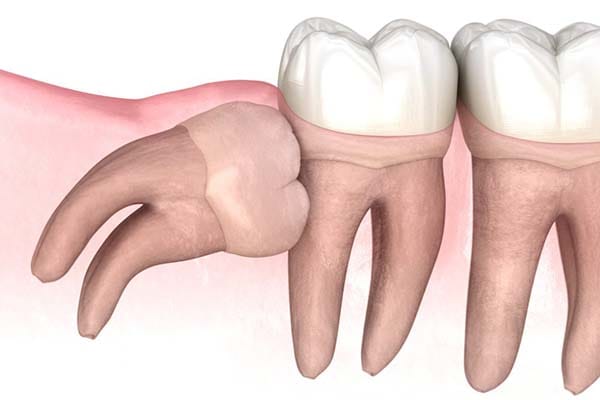
Wisdom teeth are the last molars to erupt. These last teeth to come usually appear between ages 17 and 25. When wisdom teeth grow without space, they create problems. Impacted molars can trap food, inflame gums, or cause gum disease and tooth decay.
When Wisdom Teeth Cause Problems
Wisdom teeth cause several issues:
Crowding against permanent adult teeth.
Pressure creating damage to neighboring teeth.
Infection spreading around the tooth.
Swelling or cysts around the wisdom molars.
Not all cases require surgery. Sometimes people have healthy wisdom teeth. In such cases, wisdom teeth aren’t causing pain or infection. If wisdom teeth don’t shift alignment or decay, dentists may simply monitor.
Signs You Need Removal
You may need your wisdom teeth removed if you notice:
Swollen or bleeding gums.
Pain in the jaw or molars.
Bad taste from infection in the extraction of wisdom teeth area.
Persistent swelling days after surgery.
Dentists confirm with X-rays. They recommend wisdom teeth removal when eruption threatens health.
Examination:
The dentist reviews X-rays and wisdom teeth management options.
Anesthesia:
Numbing eliminates pain during the surgery.
Incision:
Gum is opened, sometimes covering the tooth.
Bone Access:
Dentists may divide the tooth into sections. In some cases, the tooth may be cut for safe removal.
Extraction:
The tooth is removed with precision. Sometimes multiple teeth, including four wisdom teeth, require removal in one session.
Closure:
Gauze controls bleeding. Stitches need to be removed later in some cases.
This surgical procedure is also described as surgery to remove wisdom teeth. It is the most common surgery to remove impacted molars.
What Happens During Wisdom Teeth Surgery
Patients often ask what happens during wisdom tooth procedures. Here’s the step-by-step:
Wisdom Teeth Removal Recovery
Wisdom teeth removal recovery requires careful steps. Patients protect the site of the tooth to prevent infection in the extraction area.
24 hours after your surgery:
Rest. Keep gauze in place. Avoid rinsing forcefully.
Days after surgery:
Swelling peaks. Ice packs help.
Days after wisdom procedures:
Patients resume light activity.
Days after your wisdom teeth removal:
Soft foods remain best.
Recovering from wisdom
tooth surgery takes one to two weeks depending on complexity.
Once wisdom teeth have been removed, the healing process begins immediately.
Long-Term Risks and Complications
Delaying removal creates long-term complications:
Cysts forming in bone.
Decay in teeth and gums.
Nerve damage risk.
Persistent infection.
The most common complications of wisdom tooth removal include dry socket and swelling. Dentists act quickly if complications occur.


When Wisdom Teeth Should Be Removed
Dentists explain that wisdom teeth should be removed when crowding, pain, or decay appear. Wisdom teeth are being removed in most patients by their mid-20s.
Some wisdom teeth that grow normally do not require removal. Still, if teeth develop at an angle, they create risk. Wisdom teeth usually erupt with problems because there is no mouth for the wisdom teeth to align properly.
Local Care in Cumming, GA
In Cumming, GA, Bright Smiles delivers timely surgery. Patients who may need your wisdom teeth removed call us for evaluation. We handle problems with their wisdom teeth quickly to prevent systemic issues. Our office supports patients near Lake Lanier and downtown.
Local Care in Lawrenceville, GA
Residents in Lawrenceville trust Bright Smiles to remove impacted wisdom teeth. Our team minimizes downtime and explains the healing process clearly. We manage both routine and complex extractions.
Local Care in Dawsonville, GA
Bright Smiles in Dawsonville helps patients who need wisdom teeth surgery. Our dentists assess each tooth will be removed carefully. Patients recover with consistent monitoring from our staff.


Costs and Insurance
The removal cost varies. Factors include the location of the tooth, impaction level, and anesthesia. Extraction fees are calculated per case.
Patients with insurance often reduce expenses. Our staff explains options before treatment.
Call Bright Smiles Today
If you need wisdom teeth extracted, call Bright Smiles at (678) 941-5151. Our offices in Cumming, GA, Lawrenceville, and Dawsonville provide safe, effective care.
Schedule now to protect your health and prevent removing the wisdom teeth too late.

FAQ :
1. What are wisdom teeth, and why do they need to be removed?
Wisdom teeth are the last molars to erupt, typically between the ages of 17 and 25. When they don’t have enough space to grow properly, they can cause problems such as crowding, infection, or impaction. At Bright Smiles in Cumming, Lawrenceville, and Dawsonville, we often recommend removal to prevent long-term dental issues such as gum disease or tooth decay.
2. What are the common signs that I need my wisdom teeth removed?
You may need your wisdom teeth removed if you experience:
Pain in your jaw or molars.
Swollen or bleeding gums around the wisdom tooth area.
Persistent bad taste or odor from infection.
Swelling or cysts around the tooth.
If you notice any of these symptoms, call Bright Smiles for an evaluation and potential extraction.
3. What happens during a wisdom teeth extraction?
The procedure begins with an evaluation and X-rays to assess the position of your wisdom teeth. Local anesthesia is used to numb the area, and in some cases, sedation may be offered to ensure your comfort. Depending on the complexity, the dentist will either remove the tooth directly or make a small incision to access the tooth. Afterward, gauze is placed to help form a blood clot and control bleeding.
4. How long is the recovery after wisdom teeth extraction?
Recovery time varies based on the complexity of the extraction. Generally, most patients experience swelling and mild discomfort for the first few days. Within one to two weeks, most patients can resume normal activities, although the full recovery process may take a bit longer. Bright Smiles provides detailed aftercare instructions to help ensure a smooth recovery.
5. What are the risks of delaying wisdom tooth removal?
Delaying wisdom tooth removal can lead to complications such as:
Infection in the gums and jaw.
Cysts or damage to the jawbone.
Decay in adjacent teeth.
Nerve damage or persistent pain.
To avoid these risks, it's essential to have wisdom teeth evaluated regularly, especially if they are causing discomfort.
6. Are there any complications associated with wisdom teeth removal?
While wisdom teeth removal is generally safe, some complications may arise, such as:
Dry socket (when the blood clot in the extraction site dislodges).
Swelling or bruising around the cheeks or jaw.
Infection if the site is not properly cared for.
At Bright Smiles, we take steps to minimize these risks through careful planning, sterile techniques, and precise extractions.
7. How much does wisdom teeth extraction cost?
The cost of wisdom teeth removal depends on factors such as the location of the tooth, its impaction level, and the type of anesthesia required. Simple extractions are typically more affordable than surgical extractions. Dental insurance may cover part of the cost, and our team at Bright Smiles will provide a clear estimate before your procedure.
8. What type of anesthesia is used during wisdom teeth extractions?
During wisdom teeth extraction, we generally use local anesthesia to numb the area around the tooth. For patients with high anxiety or those undergoing more complex extractions, we may offer sedation options such as nitrous oxide or IV sedation. These options help keep you comfortable and relaxed throughout the procedure.
9. What are the best ways to care for my mouth after wisdom teeth removal?
After your wisdom teeth removal, it's crucial to:
Rest and avoid vigorous activity.
Use ice packs to reduce swelling for the first 24 hours.
Eat soft foods and avoid chewing on the extraction site.
Keep the mouth clean by gently rinsing with saltwater after the first 24 hours.
Following these steps helps ensure proper healing and prevents complications like dry socket.
10. Can I replace my wisdom teeth after extraction?
In most cases, wisdom teeth are not replaced since they are third molars and do not serve a critical function. However, if necessary, dental implants or bridges can be used to fill any gaps caused by extraction, particularly if the tooth extraction has affected your bite or appearance. We will discuss replacement options if needed at your consultation.
Schedule Your Wisdom Tooth Extraction Consultation Today
If you’re experiencing pain, discomfort, or other symptoms related to your wisdom teeth, don’t wait to seek treatment. Contact Bright Smiles Dentistry & Orthodontics today to schedule a consultation and learn more about our wisdom tooth extraction services.
Call us at (678) 941-5151 or visit our website to book an appointment at one of our convenient locations in Dawsonville, Cumming, or Lawrenceville, GA. Let us help you maintain a healthy, pain-free smile!
Any Questions?
We'll answer your questions and get back to you within 24 hours.
Contact Us
Enter your info and we'll get right back to you.
We'll contact you within 24 hours of your submission.